
The Ecosystem of Big Trees
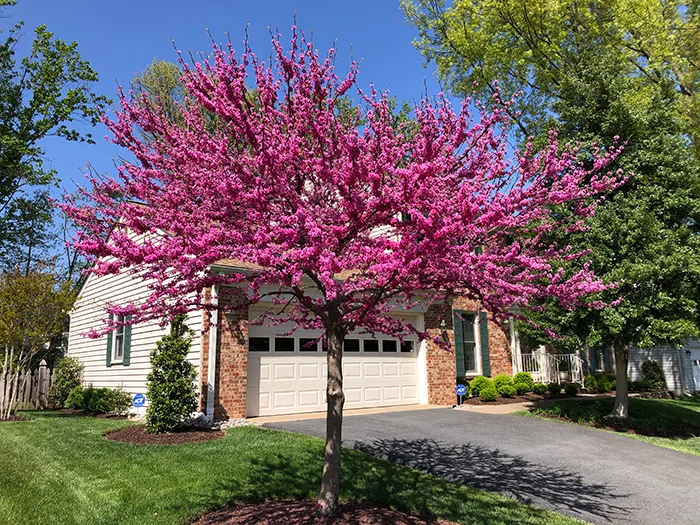
The Ecosystem Surrounding Big Trees
Big trees create unique ecosystems that support a diverse range of wildlife. Their towering heights provide nesting sites for birds, while their bark and leaves offer food and shelter for insects. In this article, we will examine the intricate relationships between big trees and the organisms that depend on them.
Habitat for Wildlife
Many species rely on big trees for survival. Birds such as owls and woodpeckers find refuge in their hollows, while mammals like squirrels and raccoons use them for shelter. The presence of big trees enhances biodiversity, creating a thriving habitat for various species.
"In every walk with nature, one receives far more than he seeks." - John Muir
Symbiotic Relationships
Big trees often engage in symbiotic relationships with fungi and other plants. Mycorrhizal fungi, for instance, connect with tree roots, enhancing nutrient absorption. This partnership benefits both the tree and the fungi, showcasing the interconnectedness of nature.
Threats to Big Tree Ecosystems
Despite their resilience, big tree ecosystems face numerous threats, including deforestation, climate change, and invasive species. Protecting these ecosystems is essential for maintaining biodiversity and ecological balance.