
Understanding Big Trees
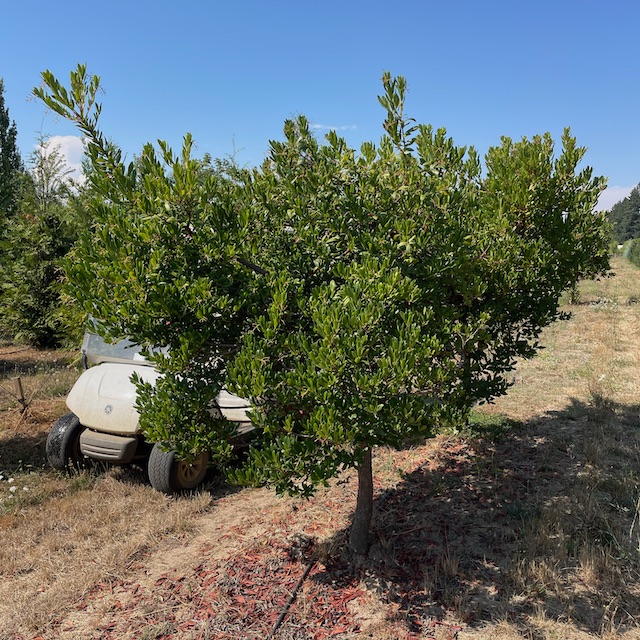
Exploring the Majesty of Big Trees
Big trees are not just remarkable for their size; they are vital components of our ecosystem. These towering giants provide shelter, food, and oxygen, playing a crucial role in maintaining environmental balance. In this article, we will delve into the significance of big trees, their unique characteristics, and how they contribute to biodiversity.
The Importance of Big Trees
Big trees serve as habitats for numerous species, from birds to insects. They also help in carbon sequestration, absorbing carbon dioxide from the atmosphere and mitigating climate change. Furthermore, their extensive root systems prevent soil erosion and promote water retention, benefiting the surrounding flora and fauna.
"The best time to plant a tree was twenty years ago. The second best time is now." - Chinese Proverb
Characteristics of Big Trees
Big trees often have thick trunks, expansive canopies, and deep root systems. Species such as the Giant Sequoia and the Coast Redwood are known for their impressive heights and ages, some living for thousands of years. These trees have adapted to their environments, developing unique features that allow them to thrive.
Conservation Efforts
As urbanization and climate change threaten big trees, conservation efforts are more important than ever. Organizations are working to protect these natural wonders through reforestation, education, and sustainable practices. By raising awareness about the importance of big trees, we can ensure their survival for future generations.